

The best way to store jewelry comes down to two simple things: preventing damage and making it easy to grab your favorites. It's not complicated. Just keep your pieces separated to avoid scratches, store them in a cool, dry spot to fight tarnish, and use soft-lined containers. That's the secret. This approach keeps everything from your fine diamonds to that fun costume piece looking brand new.
Your Quick Guide to Smarter Jewelry Storage
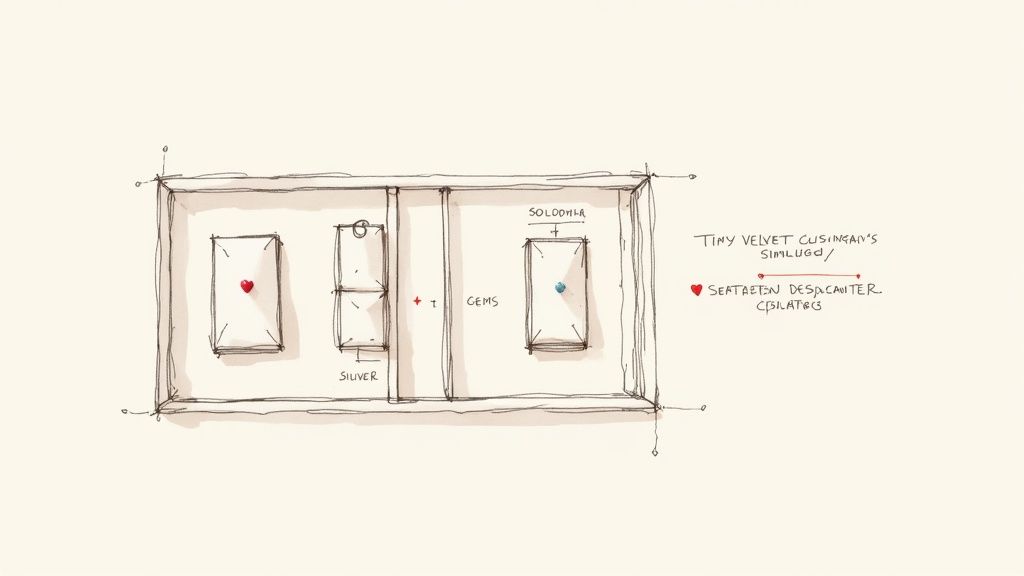
Think about the beautiful designer jewelry you see laid out in the boutiques in Downtown Alpharetta or Avalon. Those pieces are displayed with care for a reason—proper storage is the first step in preserving their beauty and value. Whether you have a few treasured heirlooms or a growing collection you've built from local spots like our consignment store in Roswell, good habits are everything.
This is about more than just being tidy; it's about protecting your investment in designer style. A hopelessly tangled necklace, a scratched gemstone, or a tarnished silver bracelet are all preventable headaches. The key is creating a system that actually works for your lifestyle, your space, and what your accessories need.
The Golden Rules of Jewelry Care
Before we jump into specific boxes and methods, let's lock in a few non-negotiable rules. These apply whether you're storing a single pearl necklace or a drawer full of chunky bracelets. Getting these right will save you a ton of time and frustration.
- Separate Everything: Never just toss your jewelry into one big pile. Harder stones like diamonds will scratch softer metals and gems. It's a guarantee.
- Control the Climate: Keep your collection away from direct sunlight and humidity. Your bathroom is the worst place you could store jewelry because of the moisture.
- Choose Soft Linings: Always go for storage with soft, non-abrasive linings like velvet, felt, or suede. They prevent the tiny scratches that dull the finish over time.
- Give It Air (But Not Too Much): While a completely airtight container can trap moisture, leaving silver out in the open is a fast track to tarnish. A closed, lined box is the perfect middle ground.
The goal isn't just organization; it's preservation. A thoughtful system protects the financial and sentimental value of every piece, ensuring they’re ready to wear for years. This is especially true for pre-owned designer fashion, where condition is everything.
Why This Matters More Than You Think
People are finally realizing how important it is to care for their jewelry properly. It's become a major focus for collectors and everyday wearers alike. You can see it in the market—the global jewellery box market is projected to grow from roughly $3.26 billion in 2025 to $5.17 billion by 2035. That's a huge jump, showing that consumers are actively investing in better ways to protect their pieces. You can learn more about the growth of the jewelry storage market and see the trend for yourself.
To give you a head start, here's a quick summary of the best storage methods for different types of jewelry.
Jewelry Storage At A Glance
| Jewelry Type | Primary Goal | Best Storage Method |
|---|---|---|
| Fine Jewelry | Prevent scratches & loss | Individual soft pouches or a compartmentalized, lined box. |
| Silver | Prevent tarnish & scratches | Anti-tarnish bags or cloth-lined, airtight containers. |
| Fashion/Costume | Prevent tangling & chipping | Hanging organizers or trays with separate sections. |
| Delicate Chains | Prevent tangles & knots | Hang vertically or use individual small zip-top bags. |
| Watches | Protect from dust & damage | Watch box with individual cushions or original packaging. |
This table makes it easy to see that each type of jewelry has its own needs, but the core principles remain the same: separate, protect, and control the environment.
Whether you live in Marietta, East Cobb, or Cumming, taking a few minutes to organize your jewelry correctly pays off. It makes getting ready easier and maintains their value—perfect if you ever decide to consign them with us at Board of Trade. Stop by our Roswell showroom to see how we care for our curated collection of women's and men's designer consignment brands.
Stop Tangles. Kill Tarnish.
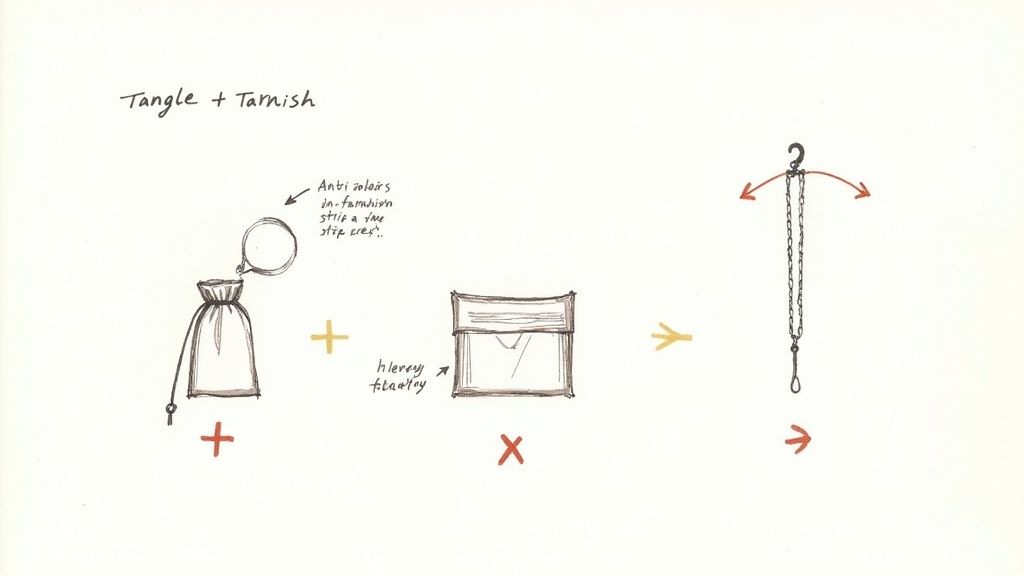
There’s nothing worse than pulling out that stunning silver necklace for a night out, only to find it dull and discolored. Or grabbing your favorite chain and discovering it’s a hopeless, knotted mess. These two culprits—tangles and tarnish—are the biggest enemies of a well-kept jewelry collection.
The good news? Preventing them is way easier than you think.
Let’s talk tarnish. That grayish-black film on silver isn't dirt; it's a chemical reaction. When sulfur in the air meets metal, it creates silver sulfide. The secret is to limit air exposure.
This is why you'll never see the curated silver pieces in our Roswell showroom just sitting out. Every item is carefully stored to preserve its brilliant shine. We're a local, trusted resource for designer consignment, and quality is our promise.
Winning The War Against Tarnish
Fighting tarnish is all about creating the right environment. Your real enemies are humidity and open air, so the goal is to keep your silver in a dry, enclosed space.
Your bathroom vanity might seem convenient, but it's the absolute worst place for jewelry. The constant humidity from showers creates a perfect storm for tarnish and can damage delicate materials like pearls.
For large collections, archivists use climate controlled storage units. While that's an extreme example, the principle is the same for your jewelry box at home: control the climate.
Here are a few simple ways to keep your pieces gleaming:
- Anti-Tarnish Strips: These little paper tabs absorb the pollutants that cause tarnish. Just toss one into your jewelry box.
- The Right Lining: Many good jewelry boxes come lined with a specially treated, tarnish-resistant fabric. It’s a fantastic built-in layer of protection.
- Individual Bags: For items you don't wear often, storing them in small, sealed plastic bags is incredibly effective. It's a simple hack we recommend to our customers from Milton to Marietta all the time.
- Silica Gel Packets: You know those little packets in new shoe boxes? Don't throw them out! They absorb excess moisture and are perfect for tucking into your jewelry armoire.
Untangling The Necklace Nightmare
Now, onto the other headache: tangles. A knotted mess of chains doesn't just waste your time; yanking and twisting to free them can easily break delicate links. The secret is one word: separation. Necklaces should never be piled together.
This principle is non-negotiable for maintaining the value of pieces you'd find at a designer consignment shop. Whether it's a delicate gold chain or a bold statement piece from top women's designer consignment brands, keeping it separate is key.
Smart Ways To Store Your Necklaces
Think vertically. Hanging necklaces is one of the best ways to keep them from knotting up because gravity keeps each chain straight and ready to wear.
Here are a few of our favorite methods for storing everything from fine chains to the chunky necklaces popular in designer fashion:
- Necklace Trees and Stands: These look great on a dresser and keep your most-worn pieces visible and within easy reach.
- Wall-Mounted Hooks: A simple row of decorative hooks inside a closet door is a brilliant space-saver, especially for our clients in East Cobb or Forsyth County with growing collections.
- Sectioned Drawer Inserts: If you prefer to keep jewelry tucked away, look for drawer organizers with long, individual channels designed for necklaces.
- The Drinking Straw Hack: For ultra-fine chains, this trick is a game-changer. Unclasp the necklace, thread one end through a regular drinking straw, and re-clasp it. The straw acts as a rigid sleeve, making it impossible for the chain to knot.
By using these strategies, you’re not just organizing your jewelry—you're preserving its condition and value. When you’re ready to refresh your look, your well-cared-for pieces will be in perfect shape. Drop by Board of Trade in Roswell to see our collection and find your next designer piece today.
Find The Perfect Home For Your Jewelry
Your storage needs are as unique as your jewelry. Those sleek earrings you picked up in Milton require a different home than the bold costume bracelets you treasure. Finding the best way to store your jewelry isn’t one-size-fits-all; it’s about matching the solution to your collection, space, and personal style.
Just like the curated women's and men's designer consignment brands we showcase in our Roswell store, your collection deserves to be housed with care. Let's walk through the most popular options.
The Classic Jewelry Box
The traditional jewelry box is a classic for a reason. It’s organized, protective, and often a beautiful object. A quality box gives you dedicated spaces for everything—ring rolls, earring compartments, and deeper sections for bracelets—all lined with soft fabric. This is the perfect solution for a modest to medium-sized collection.
Think of it as your personal vault. It keeps your treasures safe from dust, sunlight, and accidental knocks. For many people in Alpharetta or East Cobb, a well-made jewelry box is the perfect blend of function and elegance for a dresser top. For a truly timeless choice, a beautiful Italian wood musical jewel box offers both secure storage and a touch of heirloom charm.
The Elegant Jewelry Armoire
Is your collection starting to spill out of its box? It might be time to graduate to a jewelry armoire. These freestanding pieces of furniture are the ultimate solution for the serious collector. With multiple drawers and swing-out sides with necklace hooks, an armoire provides a dedicated home for an extensive and varied collection.
This is a fantastic option if you love having everything in one place, neatly organized and easy to see. It’s a statement piece that protects your investment in pre-owned designer fashion accessories, keeping everything pristine and accounted for.
The material of your storage is just as important as the design. Wood has long been the go-to for high-quality jewelry boxes, prized for its durability, timeless appeal, and ability to create a stable microenvironment.
This preference for quality isn't just local. The market for handcrafted jewellery storage boxes is a huge and growing sector, expected to be worth around $1.8 billion in 2024. Wood is by far the dominant material, making up over $1.22 billion of that market. It shows a universal appreciation for well-crafted storage. You can discover more insights about the handcrafted storage market on consainsights.com.
Space-Saving Hanging Organizers
For those of us in a cozy Forsyth County home or a streamlined apartment, space is everything. This is where hanging organizers shine. They are perfect for fashion and costume jewelry—especially necklaces that seem to tangle the second you look away.
Typically designed to hang on a wall, over a door, or inside a closet, these organizers keep every piece visible and separate.
- Pros: They are incredible space-savers, make it easy to see your collection at a glance, and are fantastic for preventing tangled chains.
- Cons: They offer less protection from dust and humidity. Because of this, they are better suited for everyday pieces rather than fine silver or delicate gems.
Ultimately, the best way to store your jewelry might be a mix of these options. You could use a beautiful box for your fine pieces and a hanging organizer for your daily favorites. The goal is a system that protects your accessories and makes getting ready feel like a pleasure.
And if you're looking to add a special piece to your collection, visit us in Roswell and browse our racks. You never know what designer treasure you’ll find.
How To Care For Different Types Of Jewelry
You wouldn't treat a delicate pearl necklace the same way you would a sturdy diamond ring. The best way to store your jewelry is to know what each piece needs. Different materials, gemstones, and metals have their own vulnerabilities, and understanding them is the secret to keeping them beautiful.
It’s the kind of detailed care we practice every day at our Roswell consignment store, ensuring every piece of pre-owned designer fashion looks as stunning as it did on day one. Let's get into how to give your fine metals and precious gems the specific care they deserve.
Protecting Fine Metals Like Gold And Platinum
Gold and platinum are the workhorses of fine jewelry. They're tough and don't really tarnish, but they're not invincible. The biggest threat? Scratches. Gold, in particular, is a soft metal that can easily get scuffed up by harder gemstones.
To keep them looking brilliant, store gold and platinum pieces separately. A soft, fabric-lined jewelry box with individual compartments is perfect. If you don't have a dedicated box, just tucking each item into its own soft pouch works wonders.
The Special Needs Of Soft Gemstones
Pearls, opals, and amber are organic and much softer than other gemstones, which means they need extra TLC. Think of them as the sensitive souls of your collection; they are highly susceptible to scratches and chemicals and can even dry out.
- Pearls Need to Breathe: Never store pearls in an airtight plastic bag. They contain trace amounts of water and need a little moisture from the air to stay luminous. A silk pouch or a fabric-lined box is the way to go.
- Keep Them Separate: Always store soft gems away from harder stones. One careless toss next to a diamond can easily scratch the delicate surface of a pearl.
- Last On, First Off: This is the golden rule for pearls. Put them on after you've applied perfume and hairspray. Take them off first when you get home.
Caring for delicate pieces is crucial for maintaining their value, especially vintage or heirloom items. For those interested in the history and value of such pieces, understanding what is estate jewelry provides a deeper appreciation for their unique characteristics.
Why Diamonds Need Their Own Space
Diamonds are at the top of the Mohs hardness scale, meaning they are incredibly durable. But that also means they can scratch almost anything else in your jewelry box—including other diamonds, gold settings, and any softer gemstone.
The rule here is simple: diamonds get solitary confinement. Store your diamond rings, necklaces, and earrings in their own dedicated compartments or pouches. This single step will prevent a world of hurt for the rest of your collection, a principle we adhere to for all the fine jewelry that comes through our doors, whether it's from Marietta or Milton.
This handy flowchart can help you decide on the right storage system based on how big your collection is.

As your collection grows, your storage should evolve right along with it—from a simple box to a comprehensive system that keeps everything separated and protected.
Managing Costume And Fashion Jewelry
The fun, trendy costume jewelry you might grab to complete an outfit from our women's designer consignment selection needs care, too. While it’s less valuable than fine jewelry, its plated metals can still tarnish, and faux stones can chip. Honestly, the biggest challenge here is usually just organization.
Hanging organizers are fantastic for costume necklaces and bracelets. They keep pieces separate, visible, and tangle-free. For earrings and rings, compartmentalized trays are a great way to see what you have at a glance, making it easy to accessorize when you're rushing out the door in Alpharetta or Cumming.
To help you keep it all straight, here's a quick guide to what different materials need.
Material Specific Storage Guide
A comparison of storage requirements for different jewelry materials to maximize their lifespan and appearance.
| Material Type | Key Vulnerability | Ideal Storage Solution |
|---|---|---|
| Gold & Platinum | Scratching from harder stones or metals. | Soft, fabric-lined individual compartments or pouches. |
| Soft Gemstones | Scratches, chemicals, and dehydration (e.g., pearls). | Fabric pouches; avoid airtight containers. Keep away from harder stones. |
| Diamonds | Scratching other items. Can chip if struck hard. | Solitary storage in a dedicated pouch or compartment. |
| Costume Jewelry | Tangling, tarnishing of plated metals, and chipping. | Hanging organizers for necklaces; compartmentalized trays for small items. |
| Watches | Scratches on the face, dust, and moisture. | Original box or a dedicated watch box with soft cushions. |
This isn't about being overly precious; it's about being smart. Taking a moment to store things properly pays off by keeping your pieces looking great for years.
A Note On Watches
Finally, don't forget your watches. Whether it's a luxury timepiece or a stylish fashion watch, it needs protection from dust, moisture, and scratches. The best way to store a watch is in its original box or a dedicated watch box with individual cushions. This keeps the band in good shape and protects the watch face from accidental damage.
By tailoring your storage to the specific needs of each piece, you’re not just organizing—you’re actively preserving your collection. If you're looking to add a beautifully cared-for designer piece to your collection, drop by Board of Trade in Roswell to browse our racks.
Smart Storage For Travel And Security
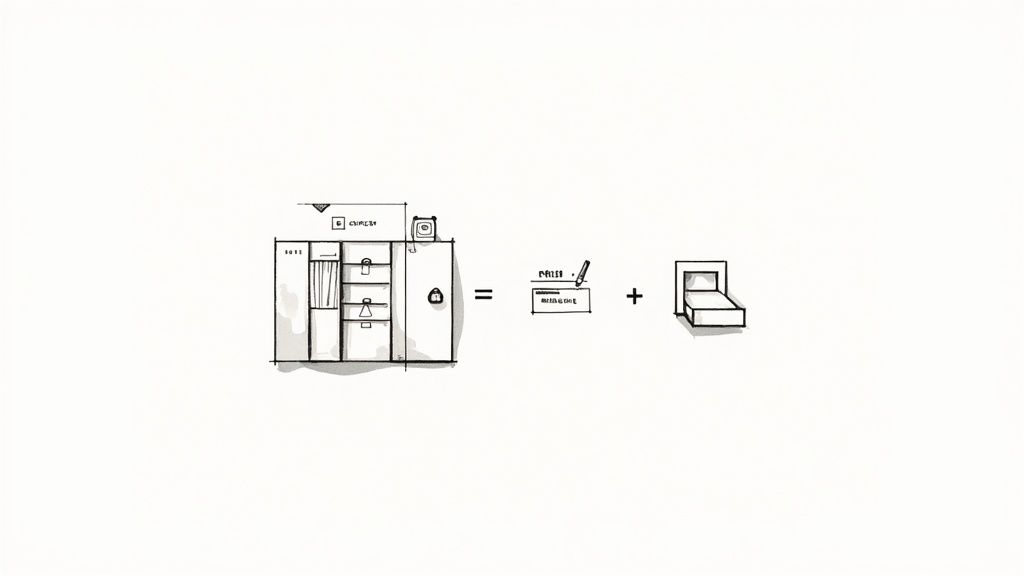
Taking your favorite pieces on the road—or just making sure they’re safe at home—requires a different mindset. It’s less about simple organization and more about active protection. We're talking about real peace of mind, whether you're packing for a weekend trip or safeguarding a valuable collection from theft.
Protecting your jewelry isn’t just about avoiding a few scratches. It’s about preserving both its financial and sentimental worth. Let’s get into the best ways to keep your treasures secure, no matter where life takes you.
Traveling Tangle-Free
We’ve all been there: you open your bag to find a tangled mess of necklaces. Packing jewelry can feel like a disaster waiting to happen, but the key is to keep everything secure, separate, and compact. A soft, roll-up jewelry case is a fantastic investment, offering dedicated, padded spots for rings, earrings, and necklaces in a design that saves precious luggage space.
Of course, choosing the best travel jewelry is half the battle. Sticking to versatile, durable pieces makes packing simpler. But for a quick trip, a few simple hacks work wonders. My personal favorite? Threading a delicate necklace through a drinking straw before clasping it. It’s a foolproof way to prevent knots.
Here are a few other travel-tested tricks:
- Pill Organizers: A weekly pill case is perfect for corralling small earrings and rings. It keeps pairs together and stops them from getting lost.
- Press-and-Seal Wrap: For a quick DIY solution, lay your jewelry flat on a piece of press-and-seal plastic wrap. Place another sheet on top and press firmly. Everything stays put.
- Button Up: Keep stud earrings paired by threading them through the holes of a spare button.
The most important travel tip I can give you is this: Never pack valuable or irreplaceable jewelry in your checked luggage. Always keep it with you in your carry-on to avoid the heartbreaking risk of loss or theft.
Fortifying Your Collection At Home
When it comes to home security, the best approach is to be discreet. Leaving your prized possessions out on a dresser might be convenient, but it’s also an invitation to thieves. The goal is to make your collection difficult to find and, if found, even more difficult to take.
This has become even more important as people invest in better ways to protect their pieces. The jewellery box market is now a global industry valued at $167.98 million in 2024, which shows a growing awareness.
Safes And Smart Hiding Spots
A home safe is a great deterrent, but not all safes are created equal. You’ll want one that is both fireproof and waterproof, and—critically—one that can be bolted to the floor or a wall. A small, portable safe can unfortunately be carried right out of your home.
Your next line of defense is discreet storage. Think beyond the master bedroom closet. Consider hollowed-out books, false-bottom drawers, or even disguised containers that look like everyday household items. The less obvious the location, the better.
For especially valuable items, like a designer watch, a secure, dedicated case is non-negotiable. A high-quality accessory like this Louis Vuitton black Taiga leather watch travel case provides exceptional protection whether you’re at home or on the move.
The Power Of An Inventory
If there’s one thing you do, make it this: create a detailed inventory of your collection. This is essential for insurance purposes and can be a lifesaver if you need to recover a stolen piece.
Your inventory should include:
- Clear Photographs: Snap photos of each piece from multiple angles.
- Detailed Descriptions: Note the metal, gemstones, size, and any identifying marks.
- Purchase Information: Keep receipts or appraisals that document the item's value.
Store this inventory digitally in the cloud and keep a hard copy somewhere safe and separate, like a safe deposit box. It’s a bit of work upfront, but it provides ultimate protection for the designer and heirloom pieces you’ve spent years collecting.
Common Jewelry Storage Questions Answered
Even with all the best advice, some questions always come up. We get them constantly from clients shopping for pre-owned designer pieces at our consignment store in Roswell. Think of this as your personal Q&A session where we tackle those nagging concerns.
What Is The Worst Way To Store Jewelry?
Hands down, the absolute worst thing you can do is just toss everything into one open dish or a single drawer. It's a disaster waiting to happen and pretty much guarantees damage over time.
Hard gemstones will absolutely scratch up softer metals. Chains will twist into a frustrating knot you risk breaking just trying to fix. Plus, leaving your pieces out in the open air, especially in a humid spot like a bathroom, is a fast track to tarnish. It’s not just messy; it’s actively harming your collection.
Can I Store Gold And Silver Jewelry Together?
This one is a hard no. We strongly advise against storing gold and silver pieces in the same spot. The biggest problem is scratching—gold is a pretty soft metal, and a harder sterling silver piece can easily leave permanent scuffs on it.
On top of that, as silver naturally tarnishes, that tarnish can actually transfer onto your gold, leaving stubborn dark smudges. The fix is simple: keep them separated in their own soft-lined compartments or individual pouches. It’s a tiny step that makes a huge difference.
The golden rule of smart jewelry storage is separation. Give each piece its own home, and you'll eliminate the main causes of damage—scratches, tangles, and tarnish—keeping your collection pristine and ready to wear.
How Do I Keep Necklaces From Tangling In A Box?
Stopping that dreaded necklace knot is all about keeping them from moving around. Inside a jewelry box, you've got a few great options that work way better than just laying them flat.
- Go Vertical: If your box has hooks on the lid or vertical slots, use them! Hanging necklaces individually is the single most effective way to keep them straight.
- Use Channels: For drawers, look for inserts with long, narrow channels made just for necklaces. Each chain gets its own lane.
- Individual Pouches: If your box is an open space, putting each necklace in its own small, soft pouch is a perfect solution.
- The Straw Trick: This is a game-changer for really fine, delicate chains. Unclasp the necklace, thread one end through a drinking straw, and clasp it again. The straw acts as a rigid sleeve, making it impossible for the chain to get tangled.
Should I Keep Jewelry In Its Original Box?
For many pieces, especially fine jewelry or a luxury watch, the original box is an excellent place to keep it. They’re designed specifically for that item, holding it perfectly still. For things you don’t wear often or for long-term storage, they’re ideal.
The only downside? A whole collection of individual boxes can get bulky and isn't practical for pieces you reach for every day. For your go-to favorites, moving them to a well-organized jewelry box or armoire just makes life easier. You can see all your options at a glance. Think of the original boxes as a safe deposit box for your treasures, and your jewelry organizer as your daily closet.
Ready to put these tips into practice and maybe even add a new, beautifully cared-for piece to your collection? At Board of Trade Fine Consignments, we celebrate the art of preservation. Our curated selection of men's and women's designer consignment brands, fine jewelry, and accessories is a testament to quality and style. Visit our 10,000 sq ft showroom in Roswell, GA, to find your next treasure. Browse our collection online today!